By Johanna Silver
While there’s been record rain and snowfall for the west coast over the past few years, there's no getting around the fact that when the seasons change, summer—prime gardening time—is reliably bone dry in this region. Additionally, the need for dry-adapted plants only grows
as an ever-increasing portion of the country, from Nebraska to Oklahoma to Texas, is struck by severe and exceptional drought. Any way you slice it, exceedingly dry conditions are a reality for much of the country, and we must learn-and garden-with them.
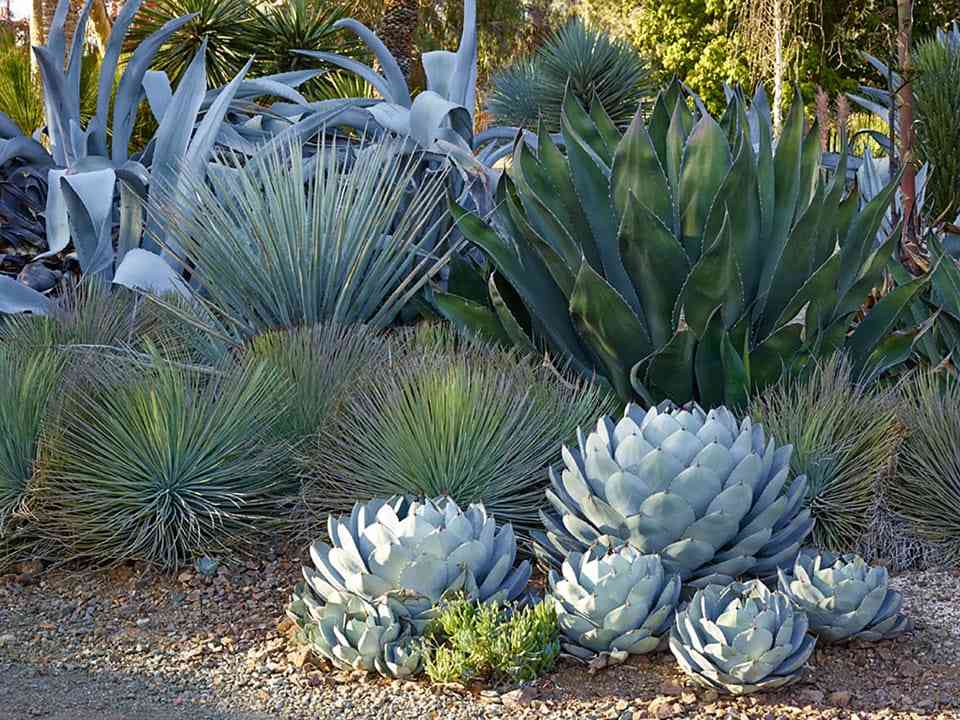
Several decades ago, the idea of xeriscaping came on the scene (introduced by the Denver Water Department in 1981) as the way to dry garden. Xeriscaped gardens looked like this:
A cactus here, a cactus there, rock mulch in between. They were not the most inspiring of landscapes. Luckily, the concept of dry gardening has developed leaps and bounds from its early days, and we continue to see nothing but innovation in its future.
Often dry gardens are an opportunity to feature native plants, completely at home in drought and a huge benefit to native pollinators. In California, that might look like yellow- or white-blooming yarrow alongside pink, pendulous Ribes flowers, and purple-flowering puffs
of ceanothus. In the Midwest, bite-sized, residential prairies might include coneflowers, tickseed, and heart-leaved wood aster shooting up above a host of native grasses. Or dry gardens can be used as an opportunity to showcase plants from far-flung dry regions of the world, like Australian grevillea and banksia or South African aloes. Non-native plants still benefit those more promiscuous pollinators that surround us, ready to feast on any nectar available. No matter the palette, dry gardens often need much less maintenance than those filled with water-thirsty annuals or even certain fussy perennials. Drought-adapted plants are hardy survivors, accustomed to challenging conditions. Life on the dry side means less water, less work, less fuss.
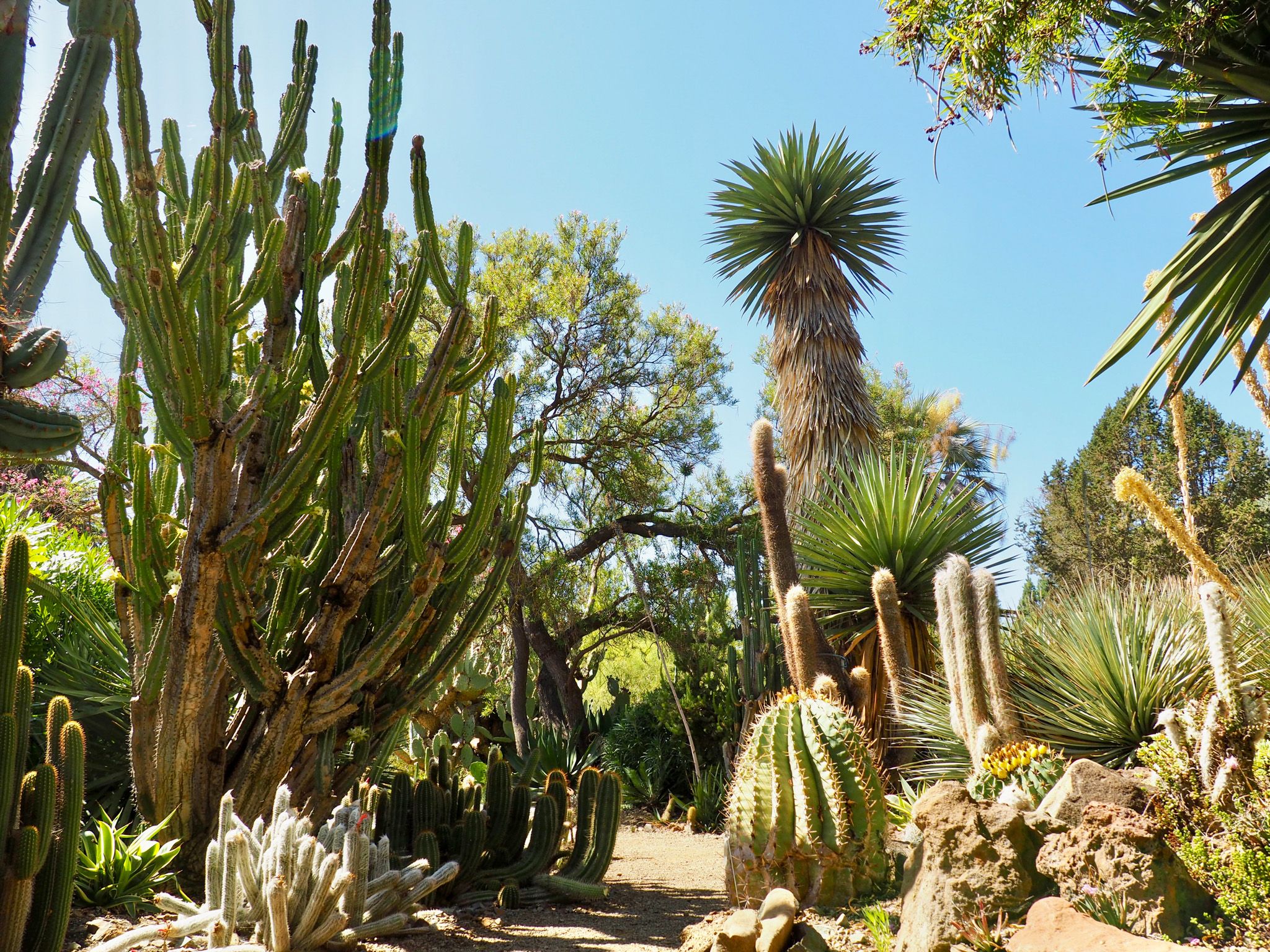
That does not mean dry gardens are boring or without seasonal ebbs and flows. Perhaps nowhere is this model of dry gardening-native and not-highlighted more beautifully than in the Ruth Bancroft Garden in Walnut Creek, California. Namesake Ruth Bancroft collected dry plants from around the world to use in creating masterpiece vignettes in planting beds, woven together by geometry, texture, and color. Aloes burst into bloom in February. Seedheads on grasses wave in the wind all autumn. So stunning was her creation that its discovery by a New York gardener Frank Cabot, inspired his very founding of The Garden Conservancy. To this day, gardeners work in her spirit, preserving her collection while pushing the boundaries of what's possible in dry garden design.
As drought becomes our new reality, let's celebrate the power of gardening. We can still create beauty and cultivate life, regardless of the conditions we face. Dry gardens are our oasis in the arid wilderness,
Johanna Silver is a James Beard Award-winning author and journalist who writes mostly about plants and people. She is the author of The Bold Dry Garden: Lessons from the Ruth Bancroft Garden and is a contributing editor at Better Homes & Gardens. Her work has been featured in Martha Stewart Living, The San Francisco Chronicle, and Eating Well. Previously, Johanna spent ten years at Sunset Magazine, beginning with a shovel in her hands and culminating as head of the garden department.